


Have We Reached Peak Wellness and What´s Next?
Somewhere between the bone broth and the biohacking, wellness stopped being a movement and became an aesthetic. A multi-trillion-dollar industry built on optimisation and tracking. What started as a niche movement became the dominant framework for how we think about health, luxury and even success itself.
The question now facing hospitality is not whether wellness will last, but how it evolves. Because when a trend becomes mainstream, the edges start to blur. New behaviours emerge. The pendulum begins its inevitable swing. And the smartest operators position themselves not for where the market is, but for where it moves next.
So let us talk about what happens when wellness stops being the rebellion and becomes the establishment. When optimisation culture meets its natural counterweight. When a generation raised on tracking and discipline starts craving something else entirely.
What started as a niche movement became the dominant framework for how we think about health, luxury and even success itself.
The answer might surprise you, because wellness as a category is not going anywhere. But what it means, how we consume it and where hospitality finds opportunity within it is already shifting.
The Longevity Economy Has Arrived
Longevity used to be something that happened to you if you were lucky. Now it has become something you engineer, optimise and pay handsomely for.
Silicon Valley turned ageing into a problem to solve. Bryan Johnson takes 111 pills daily and tracks every biomarker imaginable. Peter Thiel explores parabiosis and young blood transfusions. The rest of us settle for collagen supplements, NAD+ patches and the vague hope that intermittent fasting might buy us an extra decade.
But here is what the longevity conversation has always understood: adding years means nothing without adding life to those years. Quality matters more than quantity. Connection trumps data points. And the hospitality industry has built an entire ecosystem around this insight, translating clinical longevity into experiential luxury.
Properties like Lanserhof Sylt and SHA Wellness Clinic in Spain operate more like medical retreats than hotels. Guests arrive for week-long programmes that include blood panels, genetic testing, personalised nutrition protocols and treatments that continue long after checkout. These are not getaways. They are interventions. And the price points reflect it, because longevity positioned correctly justifies premium investment.
The promise is seductive: live better, live longer, live optimally. And for a certain segment of the market, that promise delivers exactly what they seek.
How Hospitality Repositioned Around Performance
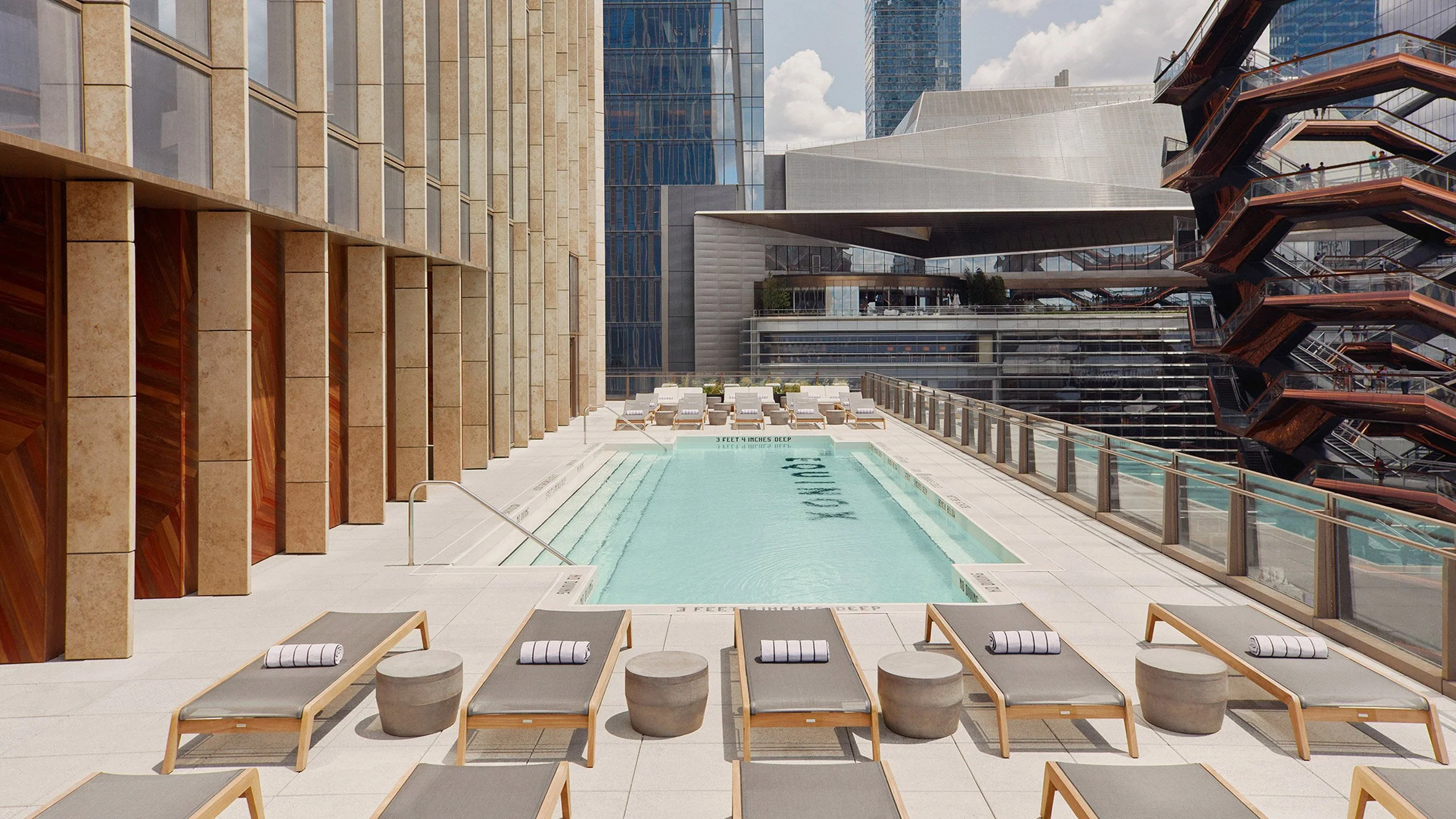
Equinox Hotels understood the assignment from day one. When they launched in New York’s Hudson Yards, they were not simply adding rooms above a gym. They were creating a complete performance-optimisation ecosystem for a specific psychographic: high achievers who treat their bodies like assets and expect infrastructure to match their ambition.
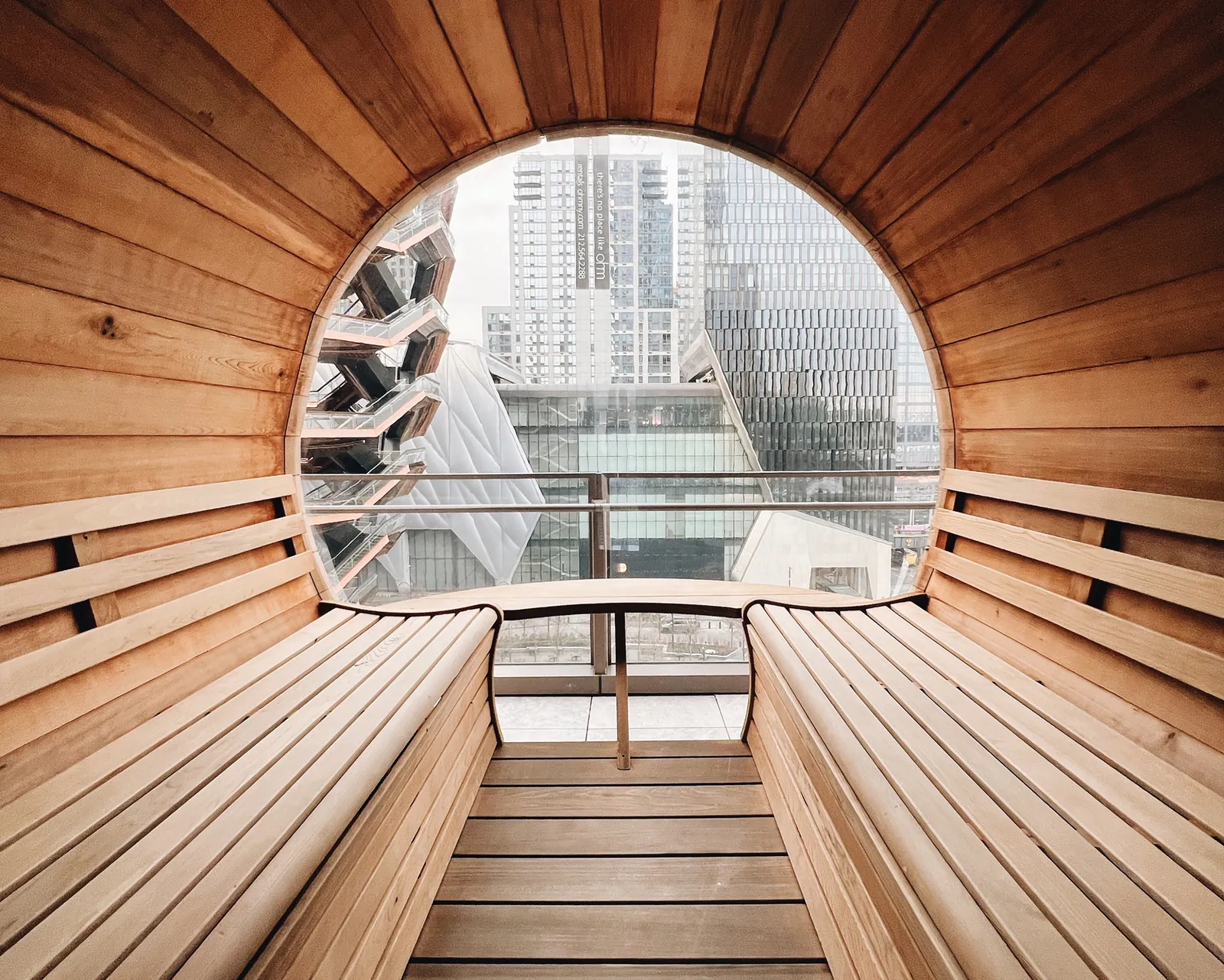
The tagline says everything: “For those who want it all.” And the offering delivers on that promise. Cold plunge pools in-room. Infrared saunas. Cryotherapy chambers down the hall. IV drip lounges offering everything from immunity boosts to NAD+ for cellular repair. These are not spa amenities. They are tools for an edge. And the clientele – hedge fund managers, tech executives, professional athletes – understand exactly what they are purchasing.
At £700-plus per night, Equinox proved something crucial for the industry: wellness, when positioned as performance enhancement rather than relaxation, commands luxury pricing. The hotel becomes an extension of the brand ecosystem, and the brand sells one very clear thing: optimisation.
They were creating a complete performance-optimisation ecosystem for a specific psychographic: high achievers who treat their bodies like assets and expect infrastructure to match their ambition.
London has followed a similar trajectory, though with characteristically British restraint. KXU brought clinical-grade wellness to Chelsea with hyperbaric oxygen chambers, cryotherapy and vitamin infusions. The Ned layered Cowshed Spa into its members’ club proposition.
Then there is the full immersion model, best exemplified by Mii amo in Sedona, Arizona. Named the number one destination spa in the United States, Mii amo represents something beyond performance optimisation. Gwyneth Paltrow flies in for treatments. Hailey Bieber books weeks in advance. The property attracts guests seeking not an edge but a reset.
The design telegraphs intention from the moment you arrive. Red rock views frame every window. Adobe-inspired architecture grounds you in place. Interiors balance luxury with simplicity, creating space for what the programming promises: transformation.
And the treatments reflect a different wellness philosophy entirely. Energy healings. Sound baths. Crystal therapy. Aura photography. Practices that would have seemed fringe a decade ago now anchor the menu. Guests do not come for a massage and a facial. They come for realignment, recalibration and permission to step off the optimisation treadmill entirely.
Both models thrive. Both command premium pricing. The difference lies not in efficacy but in what guests seek to achieve. Or escape.
Wellness Moved from Amenity to Main Event
Across categories, wellness has fundamentally repositioned from nice-to-have to core proposition. Resorts that once led with bottomless brunches now lead with sound healing sessions. Hotel spas are being rebuilt as wellness centres with full medical teams and longevity assessments. The shift reflects not just changing guest expectations but a broader cultural recalibration around what luxury hospitality should deliver.
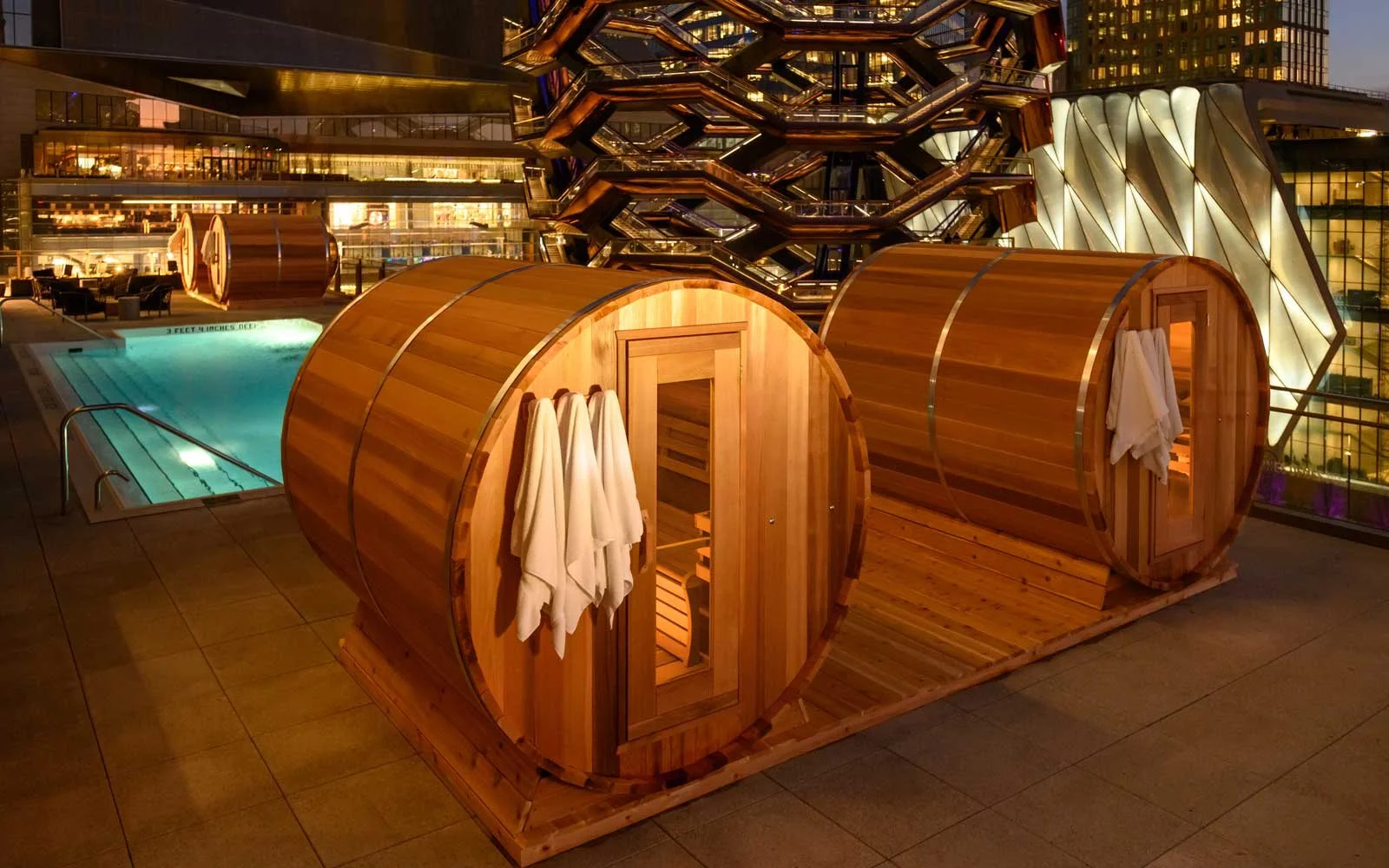
The sauna economy offers a fascinating case study in how wellness became social infrastructure. AIRE Ancient Baths in New York and London transformed the traditional spa experience into immersive theatre: candlelit stone chambers, thermal circuits, wine rituals that feel more indulgent than clinical. Meanwhile, Bathhouse in Brooklyn and KXU in London embraced Scandinavian sauna culture but evolved it for urban audiences, adding memberships, events and programming that turned solitary sweating into communal experience.
Saunas are no longer about recovery. They have become gathering places, networking opportunities and cultural currency in themselves. The wellness experience now carries social value beyond the physiological benefits.
Women's Wellness Evolves Beyond Aesthetics
Women have driven much of this market maturation, demanding programming that addresses real physiological needs rather than aesthetic trends or watered-down versions of male-focused wellness.
For decades, women’s health in hospitality meant pink yoga mats and spa treatments marketed around relaxation. The conversation has fundamentally shifted.
Equinox recognised this gap and launched EQX ARC in late 2025, a women-only programme built around female physiology across every life stage. Members receive hormone and biomarker testing through Function Health (covering over 100 biomarkers), wearable data integration with Oura Ring and personalised coaching from trainers who hold Equinox’s proprietary Women’s Health Certification. The programming addresses fertility, postpartum recovery, perimenopause and menopause through cycle-informed, data-driven training protocols. Grace Belgravia in London offers hormone health consultations, bioidentical hormone therapy and pelvic floor rehabilitation through its medical clinic.
The Well in New York brings together functional medicine doctors and Eastern healers under one roof, providing comprehensive hormone panels, acupuncture and integrated health coaching. Properties are finally addressing perimenopause and menopause – life transitions that affect nearly every woman but were rarely acknowledged in wellness programming until recently. PCOS management, endometriosis support and postpartum recovery programmes are becoming standard offerings at leading properties.
These are not spas. They are integrated health platforms responding to a demographic that expects hospitality to understand female physiology with the same rigour and investment it applies to luxury service. The shift represents more than expanded menus, it signals recognition that women’s health is complex, cyclical and deserving of sophisticated, medically informed programming rather than generic pampering.
How Trends Mature and Markets Evolve
Trends follow a predictable arc. They emerge underground, driven by genuine cultural need. Early adopters claim them. Brands pile in. Venture capital follows. The trend saturates, becomes mainstream and eventually exhausting in its ubiquity.
But trends do not disappear. They normalise. The extreme edges soften. The useful elements become standard. The rest fades into background noise, making room for whatever comes next.
Wellness has followed this exact trajectory. What began as a legitimate response to stress, burnout and processed food systems became a multi-billion pound industry of ice baths, supplements and optimisation culture. Now we are watching the category mature. The extremes will moderate. The fundamentals – movement, sleep, whole foods, mental health – will remain embedded in how we live. But the performance around wellness, the moral weight of it, the exhausting vigilance it demands, that part is already softening.
And here is where hospitality finds its next opportunity: in the space between discipline and release. Between optimisation and pleasure. Between the cold plunge and the dance floor.
The Pendulum Swings Toward Balance
Cultural pendulums swing in response to what came before. After a decade of monk mode, green juice and 5am routines, people are craving something else. Not the abandonment of health, but the reintegration of joy.
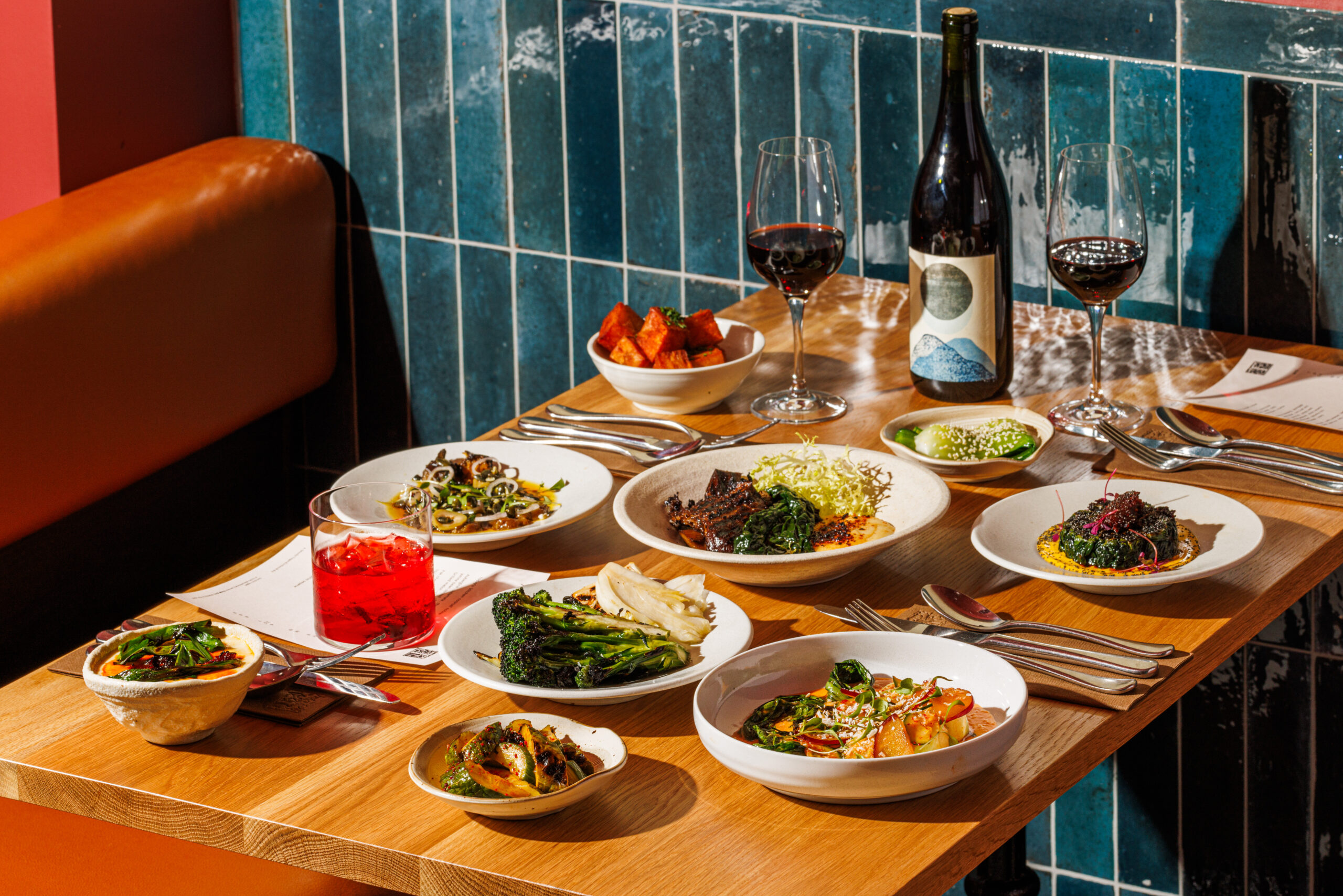
You can see it already. Natural wine bars in Soho and the Lower East Side are packed at 2am. Restaurants are celebrating butter, cream and indulgence again without apology. Dance floors are replacing reformer studios in the cultural conversation. Booking confirmations feel less like wellness intake forms and more like invitations to experience something unoptimised and alive.
This does not signal the death of wellness. It signals evolution. The pendulum swings not away from health but toward a more integrated understanding of what feeling good actually means. Sometimes it means the salad and the early night. Sometimes it means the second bottle of wine and dancing until your feet hurt. Both can coexist. Both have value.
The brands that understand this will capture the next wave of wellness hospitality – the post-optimisation era where guests want to feel good without performing virtue or tracking every input.
Where Hospitality Finds Opportunity
The smartest operators are already building for this shift. They understand that the future does not demand choosing between wellness and indulgence, but holding space for both.
Six Senses exemplifies this approach. World-class wellness programming sits alongside exceptional wine lists and indulgent dining experiences. Guests can book a morning of Pranayama breathwork and an evening of natural wine and wood-fired cuisine without cognitive dissonance. The property does not ask you to choose. It acknowledges that humans contain multitudes.
Soho Farmhouse operates on similar principles. You can schedule a deep tissue massage and order a magnum of champagne for dinner. The sauna and the pub coexist. The yoga studio and the late-night fire pit serve different needs for the same guest, often on the same day.
These properties succeed because they have moved beyond wellness as ideology and embraced it as one dimension of a fuller hospitality experience. They recognise that longevity without pleasure is just slow-motion deprivation. That optimisation without joy defeats the purpose entirely.
As the wellness category matures, the white space emerges not in doubling down on discipline but in creating environments where health and happiness reinforce rather than contradict each other. Where the guest can move fluidly between experiences without feeling like they are betraying some wellness contract they signed.
So Where Does Wellness Go From Here?
Wellness as a category has permanence now. The infrastructure exists. Guest expectations have shifted permanently. No hotel group will strip out their gyms or eliminate healthy menu options. Those fundamentals are here to stay.
But the performance of wellness, the moral weight of it, the exhausting optimisation culture surrounding it – that is already evolving. The next era of wellness hospitality will be characterised by integration rather than separation. By pleasure alongside discipline. By spaces that understand guests want to feel good in all the ways that phrase can mean.
The longevity economy will continue to grow, but it will expand beyond clinical interventions to include joy, connection and experiences that make life feel worth extending in the first place. Wellness centres will remain, but they will soften their edges and make room for wine bars, dance floors and spontaneity.
The pendulum swings not away from wellness but toward a more mature, nuanced understanding of what it means to live well. And for hospitality brands willing to hold that complexity, the opportunity is extraordinary.
Because at the end of the day, people do not want to choose between health and happiness. They want both. They always have.
The question was never whether wellness would last. The question is: what comes next?
Founder’s Note
Wellness has moved from trend to infrastructure. Properties like Equinox positioned for high performers seeking an edge. Mii amo offered transformation in the Arizona desert. Saunas became social spaces. Women demanded programming that addressed real physiological needs. Resorts swapped brunches for sound baths. The category matured, and guest expectations evolved with it. Now the pendulum swings – not away from wellness, but toward integration. The brands that thrive will be the ones that understand guests want to feel good in all the ways that phrase can mean. Here is where the opportunity lies.
2 Comments
-
-
Liz Newton
Nullam id dolor finibus, efficitur lorem ut, consequat nisl. Nunc sit amet mollis sem. Praesent accumsan laoreet massa a rhoncus.
-

Comments are closed.


James Gwin
Morbi porta velit at aliquam maximus. Nullam id dolor finibus, efficitur lorem ut, consequat nisl. Nunc sit amet mollis sem. Praesent accumsan laoreet massa a rhoncus.